5 Smart Ways to Make Embroidery Digitizing Eco-Friendly megridigitizing.com

Introduction
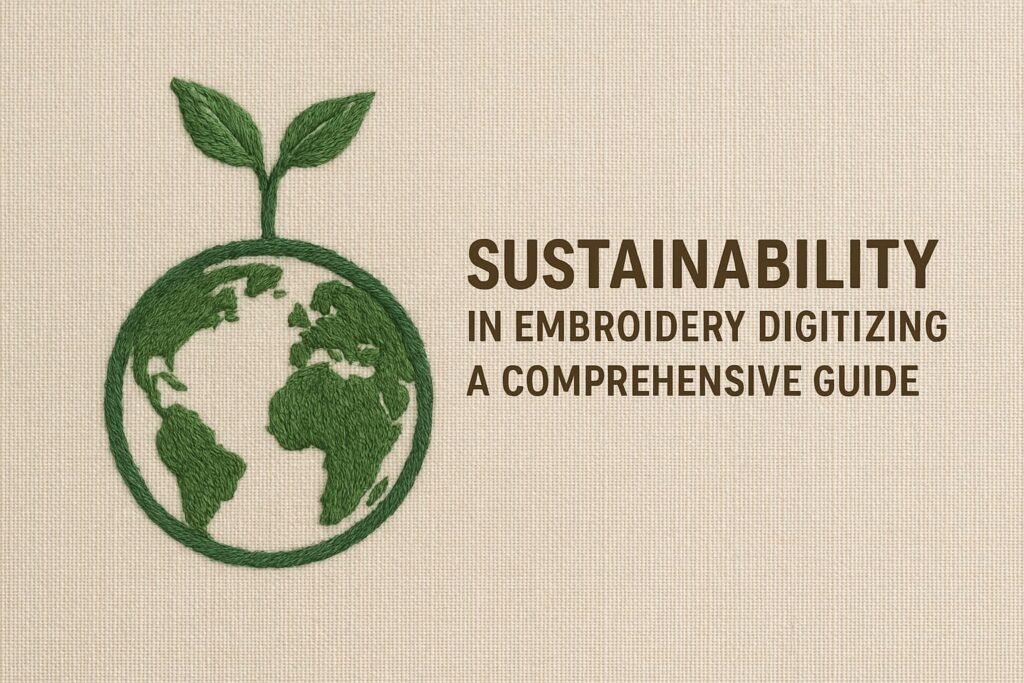
The embroidery industry is beautiful, but it comes with an environmental cost: synthetic threads, fabric waste, energy-hungry machines, and inefficient workflows. According to Megri digitizing, sustainable digitizing isn’t just good for the planet — it’s good for business too. By making smart choices in materials, stitch design, and production, you can dramatically reduce waste and carbon footprint, without sacrificing embroidery quality. Here are five practical ways to make embroidery digitizing more sustainable.
1. Use Recycled or Eco-Friendly Threads
Choosing threads made from recycled materials — like polyester derived from post-consumer bottles — can significantly reduce environmental impact. These eco-threads help cut down on plastic waste and fossil-fuel dependency. On top of that, biodegradable or plant-based thread options (like organic cotton or bamboo) lower the chemical load and encourage a circular embroidery supply chain.
2. Optimize Stitch Paths to Minimize Waste
Efficient digitizing isn’t just about aesthetics — it’s a sustainability hack. Reducing jump stitches, trimming unnecessary paths, and optimizing fill density allow for designs that use 15–20% less thread. These tweaks also lower machine runtime and energy consumption, making your production greener and faster.
3. Rethink Stabilizers: Reuse, Recycle, or Choose Biodegradable
Stabilizer scraps are often overlooked waste. Instead of tossing them, you can reuse backing materials for testing or donate scraps for crafting. Better yet, switch to biodegradable stabilizers made from plant fibers or water-soluble materials. These choices reduce landfill burden and align with eco-conscious practices.
4. Audit and Set Sustainable Goals
Start by tracking your current workflow: log thread usage, waste volume, energy consumption, and material sourcing. Once you have a baseline, set SMART goals (e.g., reduce synthetic thread use by 50% in six months). As you make progress, you can refine your practices and measure real impact. This continuous improvement mindset powers long-term sustainability.
5. Run Energy-Efficient Production
Production practices matter as much as digitizing technique. Running machines in batches reduces startup cycles and trims energy use. Regular machine maintenance — like cleaning lint and calibrating tension — also improves efficiency. Opting for lower-speed settings when precision isn’t critical can further reduce power consumption.
FAQs
Q1: Will using recycled threads reduce the quality of my embroidery?
Not necessarily. High-quality recycled polyester threads are durable and colourfast, comparable to conventional threads, especially when digitizing and stitching are optimized.
Q2: How much energy can I realistically save by batch stitching?
Batching similar orders — grouped by color or fabric — can reduce machine idle times and startup energy, potentially cutting energy use per piece by 10–20%, according to energy-efficient embroidery practices.
Q3: Are biodegradable stabilizers as stable as traditional ones?
Modern biodegradable stabilizers (like plant-based or water-soluble ones) are quite robust. They provide reliable support during stitching and disappear or degrade after washing, reducing long-term waste.
Q4: How do I calculate my embroidery business’s environmental footprint?
Begin with a self-audit: track thread consumption, waste (scraps + trims), and machine energy use. Use simple carbon footprint calculators or inventory tools to set benchmarks and track improvements.
Conclusion
Sustainable embroidery digitizing is no longer a niche trend — it’s a smart, responsible, and increasingly expected way to do business. By using recycled or plant-based threads, optimizing stitch paths, being thoughtful about stabilizers, tracking progress through audits, and fine-tuning production processes, you can dramatically reduce your environmental footprint. These changes don’t just help the planet — they save you money, build brand goodwill, and open the door to a new wave of eco-conscious customers. Start small, be consistent, and green your embroidery game step by step.
Report Story